
Foxes, Captivity, and Cust
The A.B.C. MurdersThis thread follows the fox rhyme from a child’s song into an image of the cruel captivity Franklin imposes on Cust.
increasing Bearing strength in each event
 decreasing
Bearing strength in each eventdecreasingA Man Trapped by Circumstance
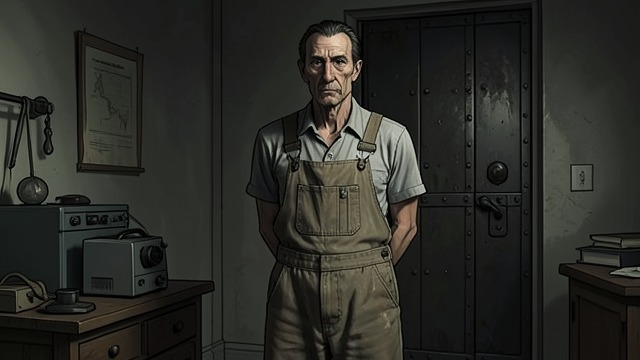
Cust’s Narrow Life
Vulnerability accumulated
Cust has been mocked, passed over, and limited by epilepsy and poverty. His quiet existence leaves him poorly equipped to resist a confident manipulator.
A ready-made role
Franklin turns those vulnerabilities into a part: travelling salesman, suspected killer, and apparent rival to Poirot. Cust’s lack of agency becomes the scheme’s foundation.
A False Freedom

Work That Leads Nowhere
Travel under orders
Cust moves from town to town believing he is earning a living. In reality, Clarke directs his route and uses his presence to build an incriminating pattern.
The hidden cage
Cust’s apparent independence masks dependence on false instructions. Each journey tightens the story that will later imprison him.
The Hunted Animal

Flight From the Police
Evidence becomes identity
Blood and the knife persuade Cust that he is the murderer. He flees his lodging and behaves like an animal expecting capture.
A trap closes
His confusion and fear make it difficult to challenge the planted evidence. The false role has become psychologically real to him.
The Children’s Song

A Fox Put in a Box
A rhyme heard
Poirot hears children singing about catching a fox and keeping it in a box forever. The words recall the unending confinement Cust faces if wrongly condemned.
Moral unease
Poirot contrasts a swift death with permanent imprisonment. His response shifts attention from clever detection to the human cost of a mistaken judgment.
The Cage Opens
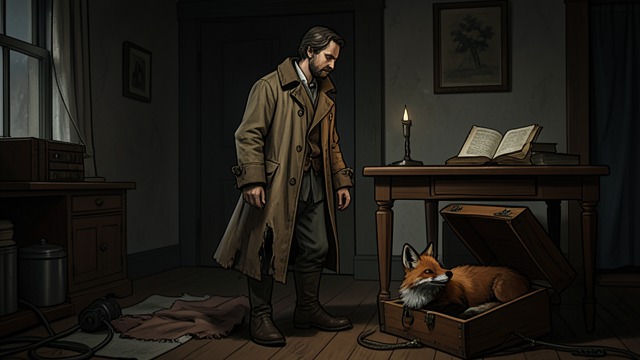
Cust’s Captivity Ends
The mastermind exposed
Poirot proves that Clarke made Cust into a stalking horse. The accused man’s fear is separated from the truth of his actions.
An imperfect restoration
Cust is free of the false guilt but still bears the confusion and illness exploited by Clarke. The fox image remains a warning about what accusation can do.
Before the murders
Summer 1935
September 11, 1935, after the murder
During Poirot’s journey to Eastbourne
After Franklin Clarke’s arrest
